Garden Maintenance in Camden Town
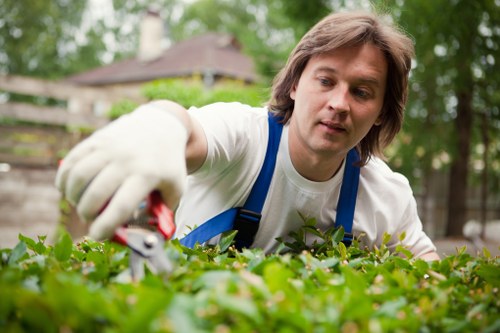
Garden maintenance in Camden Town calls for tidy, practical care that keeps outdoor spaces looking ordered through the seasons. We provide regular upkeep for front gardens, rear courtyards, shared outdoor areas and planted spaces that need steady attention rather than a one-off overhaul. Our work focuses on healthy growth, neat presentation and manageable routines, with services shaped around the condition of the garden and the tasks it most needs.
Typical maintenance may include grass cutting, hedge trimming, pruning, weeding, edging, leaf clearance and the removal of routine green waste. Where a garden has become uneven or overgrown, we can help restore a more workable baseline before setting out a sensible maintenance pattern. That approach suits many properties in Camden Town, where gardens are often compact, enclosed or split across different surfaces and planting styles.
For a straightforward start, use the main service pages to see how different types of outdoor work are handled. If you already know what needs attention, get in touch for a quotation and share the basic details of the space, the access and the level of care you want. A short description is usually enough to begin.
Regular garden upkeep for tidy, usable spaces
Regular garden maintenance is about preventing small tasks from building into larger jobs. In practice, that means keeping on top of grass growth, trimming back untidy planting, clearing debris and dealing with weeds before they spread into borders, paving joints or gravel. The result is a space that is easier to look after, simpler to use and less likely to need disruptive catch-up work later in the year.
Our maintenance visits can be shaped around the condition of the garden and the type of planting it contains. Some outdoor areas need careful trimming to keep shrubs balanced and flowering plants intact, while others are better served by firmer cutting back and seasonal clearance. If you are comparing options, the garden maintenance service gives a broader view of the routine work we handle across different property types.
What routine maintenance usually covers
We keep the work practical and clearly defined. A maintenance visit may include mowing, hedge trimming, pruning, border weeding, sweeping hard surfaces and gathering loose organic waste for removal. Where necessary, we can also neaten edges so lawns, paths and beds look properly separated. This kind of upkeep is especially useful when a garden has several features that each need a different approach rather than one single treatment.
Lawn care, hedge trimming and seasonal cutting

Lawns and hedges often determine how tidy a garden looks at a glance, so they deserve consistent attention. Regular mowing keeps grass at a manageable height and helps the surface look even, while proper hedge cutting maintains shape, reduces encroachment and keeps paths and boundaries clear. We also deal with lighter pruning where plants are beginning to lose form or spread across seating areas, driveways or window lines.
The right approach depends on plant type, growth rate and the amount of space available. Some hedges can be clipped to a crisp line, while others need more measured shaping to avoid damaging new growth or spoiling the natural outline. If your priorities include lawns as well as shrubs, the lawn mowing page and the hedge trimming page can help you see how these tasks fit together within a maintenance plan.
Seasonal cutting is often most effective when it is timed to suit the garden rather than done in a rush. Spring growth, summer expansion and autumn leaf drop each create different demands, and a sensible schedule keeps work manageable. For many customers, the most useful outcome is a garden that stays presentable without becoming over-managed.
Clearing overgrowth and restoring workable ground

When maintenance has been missed for a while, the first step is often to reduce excess growth and recover the usable areas underneath. That might mean removing thick weeds, cutting back tangled vegetation, lifting fallen debris or reopening paths and borders that have become hidden. The aim is not to strip a garden bare, but to make it practical again so that ordinary upkeep can continue without unnecessary difficulty.
Some spaces in Camden Town combine paving, planting, fencing and narrow access points, which can make overgrown work more awkward than it first appears. A careful, staged approach is usually better than trying to do everything at once. If a garden needs a more substantial reset, the garden clearance page explains the sort of larger-scale clearing work that can support a return to routine maintenance.
In overgrown areas, attention to sequence matters. Cutting back growth too aggressively can expose parts of the garden that also need clearing, while leaving waste in place can make it harder to judge what remains. We therefore work in a way that keeps the site orderly as the job progresses, with an eye on safe movement, access and the finish at the end of the visit.
Border care, planting areas and small design repairs
Maintenance is not only about cutting back growth; it also includes the quieter work that helps planting stay balanced. Borders may need weeding, dead-heading, mulching or careful thinning so that stronger plants have room to develop. Where a garden includes seasonal pots, climbers or mixed beds, small adjustments can improve both appearance and long-term condition without changing the basic layout.
If you want to pair routine upkeep with more substantial improvements, there are related options that can support the garden over time. The landscape gardening page is useful where planting structure or layout needs attention, while the landscaping page covers broader outdoor changes. These services are relevant when maintenance alone is no longer enough to keep the garden functioning well.
We always aim to match the level of work to the garden’s actual condition. A border that only needs tidying should not be treated like a full redesign, and a small planting area may only require measured hand work rather than heavier intervention. That kind of restraint keeps the result more natural and often more economical.
Materials, waste and finishing touches

Clean finishing makes a noticeable difference to the overall result of maintenance. Once the main cutting and clearing work is complete, we can gather and remove loose debris, bag green waste and leave the area looking more coherent. It is often the final sweep, edge line or cleared path that turns a good maintenance visit into one that feels properly finished.
Where cuttings and arisings need to be dealt with, the process should remain orderly from start to finish. Some customers want a light tidy after mowing or trimming, while others need a fuller removal of waste created by a longer visit. If you want to know more about that side of the work, the recycling and sustainability page sets out how garden waste can be handled with care and minimum fuss.
Useful preparation is simple. Clear access to gates where possible, mention any locked areas or shared entries, and let us know if the garden includes fragile features, raised beds or uneven ground. A few practical details help the quotation reflect the real condition of the space. That is often enough to plan a sensible visit.
Related outdoor services when the garden needs more than upkeep
Some properties need maintenance alongside occasional repair or structural work. A broken timber feature, tired boundary or awkward slope can change how a garden is cared for, especially if trimming and access become more difficult around it. In those cases, it can be sensible to think about the wider outdoor setting rather than treating every issue as a separate visit.
If that is the case for your property, the decking services page can be useful where a garden includes timber areas that need attention, and the tree lopping and removal page is relevant where larger growth is interfering with light, space or safe access. Those pages sit alongside maintenance rather than replacing it, and they may help when a garden has several issues at once.
For many customers, the best outcome comes from choosing the smallest set of tasks that restores order and makes ongoing care simpler. A tidy garden is usually the result of consistent judgement as much as physical work, so we keep the focus on what is needed now and what will remain manageable after the visit.
About Camden Town
Camden Town is a district in north London best known for its busy streets, canal-side routes and long association with markets, music and creative culture. It developed strongly in the nineteenth century as part of the expansion around the Regent’s Canal and the railway network, and that history still shapes its streets today. The area sits within the London Borough of Camden and is centred on Camden High Street, where traffic, shops and pedestrian movement create a lively urban atmosphere. Nearby, the Regent’s Canal provides a quieter thread through the landscape, with towpaths linking the district to King’s Cross, Regent’s Park and further west toward Little Venice. This mix of movement and water is one reason Camden Town feels so distinct from surrounding neighbourhoods. The canal basin and market area have both changed over time, but the district remains closely associated with independent retail, live music venues and a dense pattern of mixed-use buildings. Architectural variety is a notable feature: there are older terraces, later commercial buildings and converted premises alongside more modern developments. The Roundhouse, originally built as a railway engine shed and later adapted as a performance venue, is one of the best-known landmarks nearby and reflects the area’s ability to reuse industrial heritage for contemporary culture. Open spaces are more limited than in many suburban districts, but Regent’s Park is within reach and the canal corridor offers an important green-blue route through the urban fabric. Camden Town’s public character is therefore shaped less by broad squares or large estates and more by a layered street environment where transport, commerce and culture meet.
Getting started with garden maintenance

A useful quotation begins with a simple picture of the garden: what needs cutting, what needs clearing and whether the work is a one-off tidy or the start of regular maintenance. If there are separate areas such as lawns, borders, hedges or paved sections, it helps to mention them together so the scope is easy to judge. That keeps the discussion clear and avoids unnecessary back-and-forth.
You can also note any parts of the garden that need more careful handling, such as delicate planting, restricted access or surfaces that collect debris quickly. We will use the information you provide to shape the work sensibly and to suggest the most suitable service route. If you are ready to move forward, request a quotation today and let us know what would make the space easier to manage.
For a direct next step, the pricing and quotes page is the best place to begin the enquiry process. If you are comparing the overall range of services first, the services overview gives a broad summary before you choose the most relevant option.